NEET 2027 Cell: The Unit of Life Notes with Diagrams & PDF
Cell: The Unit of Life Complete Notes for NEET 2027 – PDF, Diagrams & Tricks
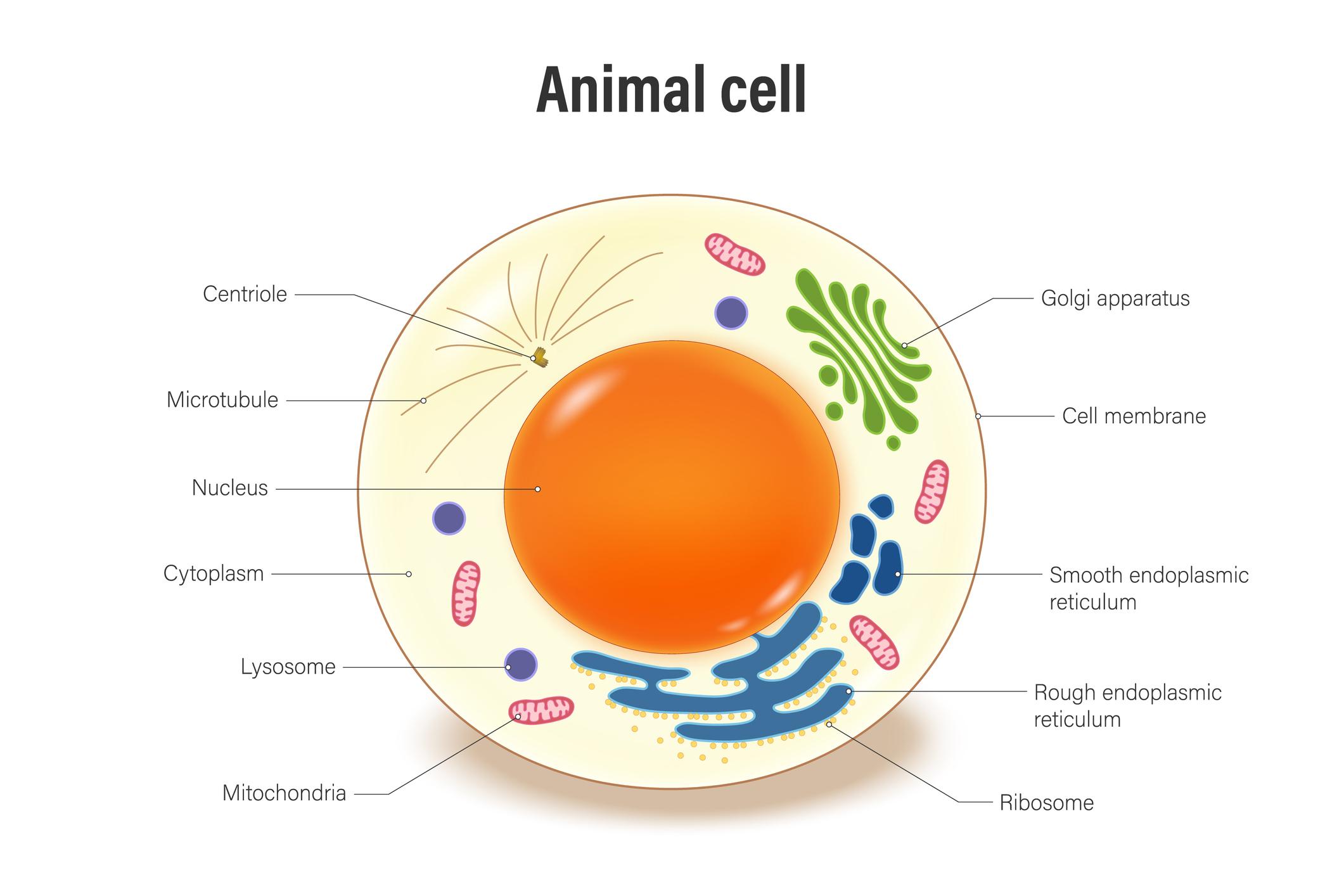
Welcome to the most comprehensive, exam-oriented guide on “Cell: The Unit of Life”—a high-weightage chapter in NEET Biology. If you are aiming for a top score, this chapter is your foundation. These notes are curated to simplify complex concepts, highlight direct NEET pyqs, and provide memory aids that actually work. Whether you are starting fresh or doing a final revision, this page is your ultimate study companion. Let’s master the cell together!
📚 Explore RankBaaz NEET Toppers Notes:
1. Introduction to Cell & Cell Theory
The cell is the fundamental structural and functional unit of all living organisms. Discovered initially by Robert Hooke in 1665, the cell theory was later formulated by Schleiden & Schwann (1838-39). It was finally modified and completed by Rudolf Virchow (1855) who gave the famous phrase "Omnis cellula-e cellula".
- Cell: The smallest unit capable of independent existence and performing all essential life processes.
- Cell Theory: All living organisms are composed of cells and products of cells. All cells arise from pre-existing cells.
- Exceptions: Viruses and Mycoplasma (which lacks a cell wall) often challenge the classic definitions of cellular life.
2. Prokaryotic vs Eukaryotic Cells
Understanding the fundamental difference between prokaryotes and eukaryotes is a recurring theme in NEET exams. Here is a quick, high-yield comparison:
| Feature | Prokaryotic Cell | Eukaryotic Cell |
|---|---|---|
| Nucleus | Absent (genetic material is in a nucleoid region) | True nucleus with a distinct nuclear envelope |
| Membrane-bound organelles | Absent | Present (ER, Golgi, mitochondria, etc.) |
| Cell Wall | Present (made of peptidoglycan) | Plants: cellulose; Fungi: chitin; Animals: absent |
| Ribosomes | 70S | 80S (cytoplasm) & 70S (inside organelles like mitochondria) |
| Examples | Bacteria, Archaea | Protists, Fungi, Plants, Animals |
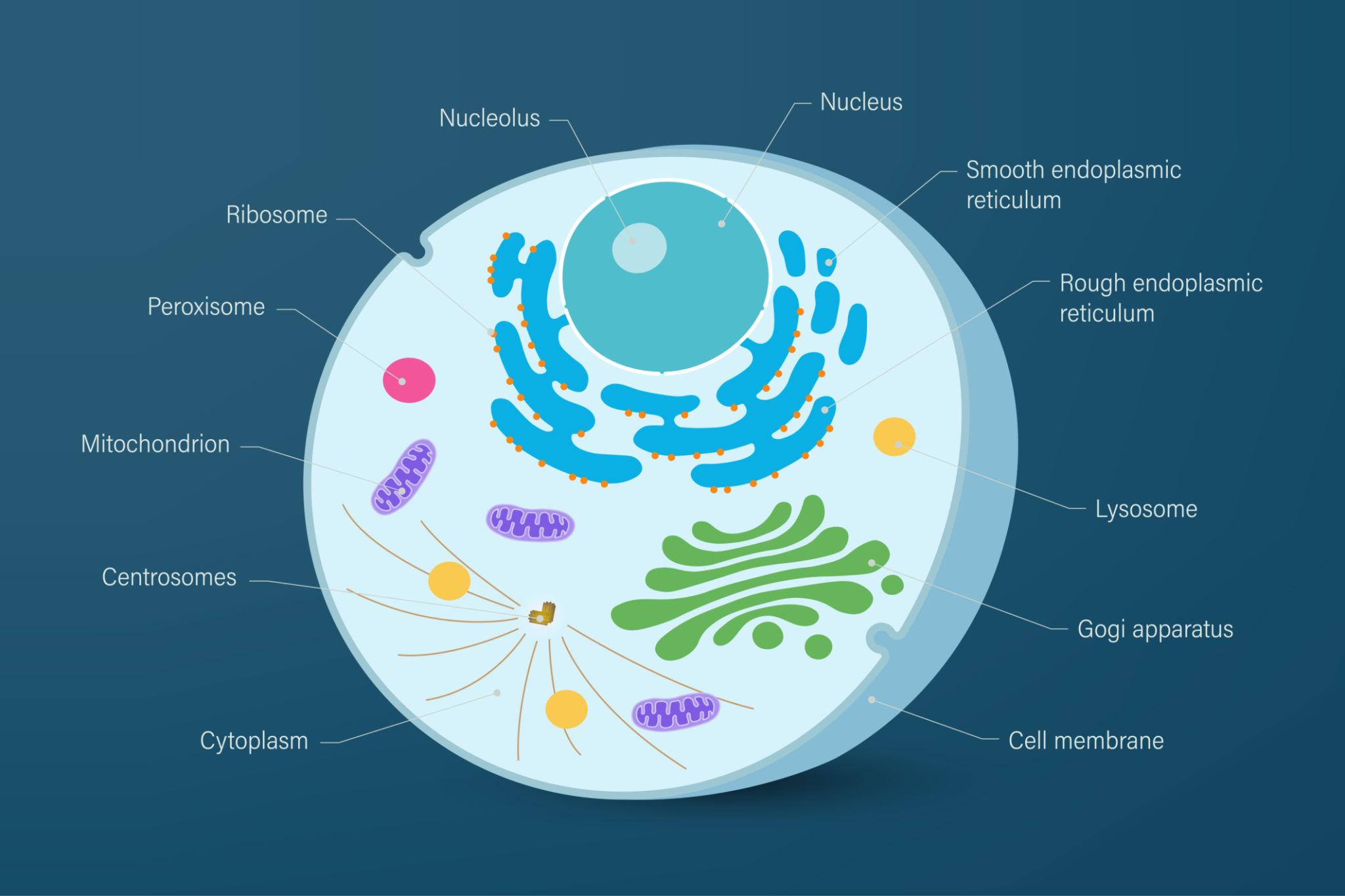
3. Eukaryotic Cell – In-depth Organelle Guide
3.1 Cell Membrane (Plasma Membrane)
The accepted structure is the Fluid Mosaic Model proposed by Singer & Nicolson (1972). It is primarily composed of a phospholipid bilayer embedded with integral and peripheral proteins, cholesterol, and carbohydrate moieties. Its main functions include selective permeability, cell-to-cell recognition, and active/passive transport.
NEET Focus: Do not ignore the Glycocalyx (cell coat)—it is crucial for cell recognition. Also, be familiar with tight junctions, desmosomes, and gap junctions in animal cells.
3.2 Nucleus – The Brain of the Cell
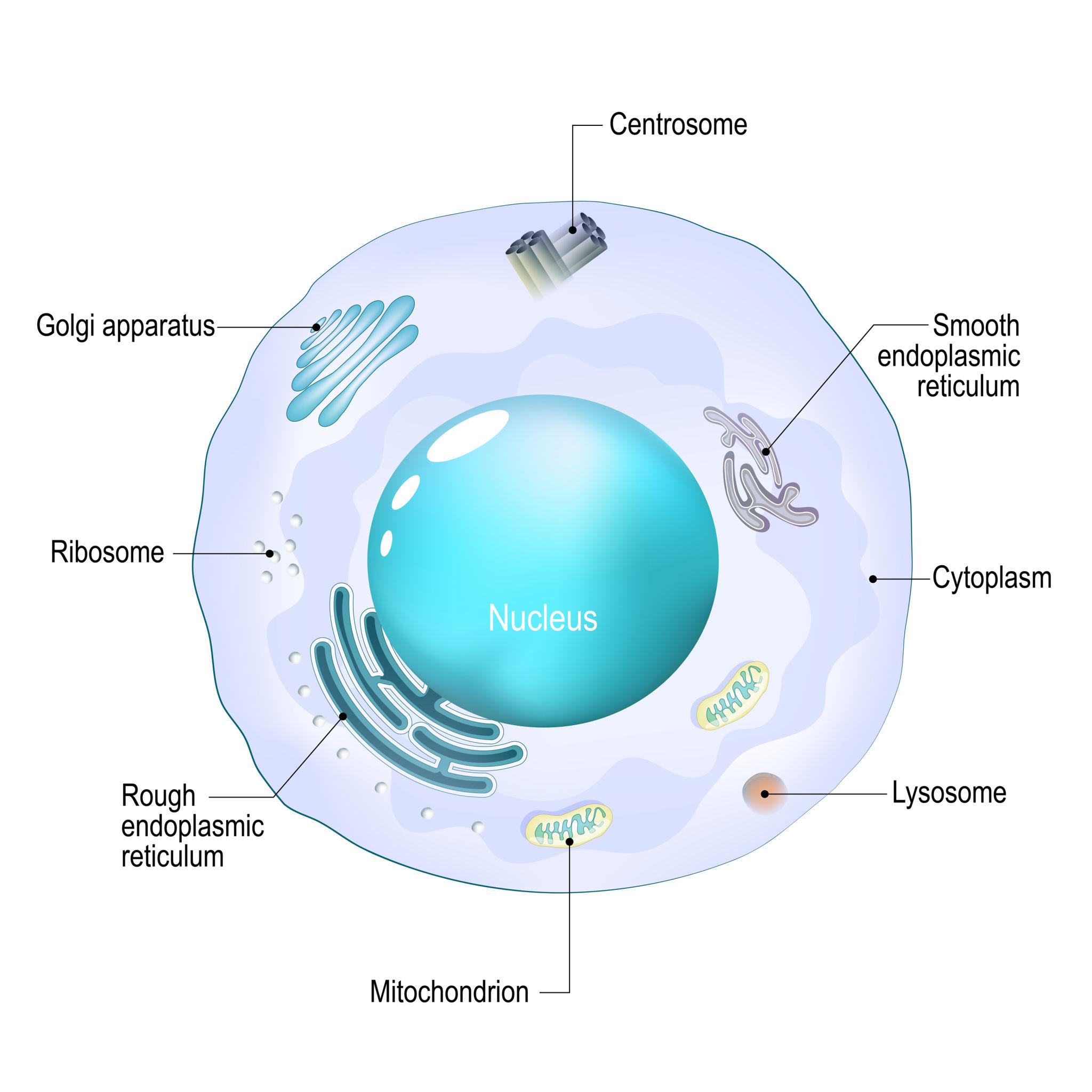
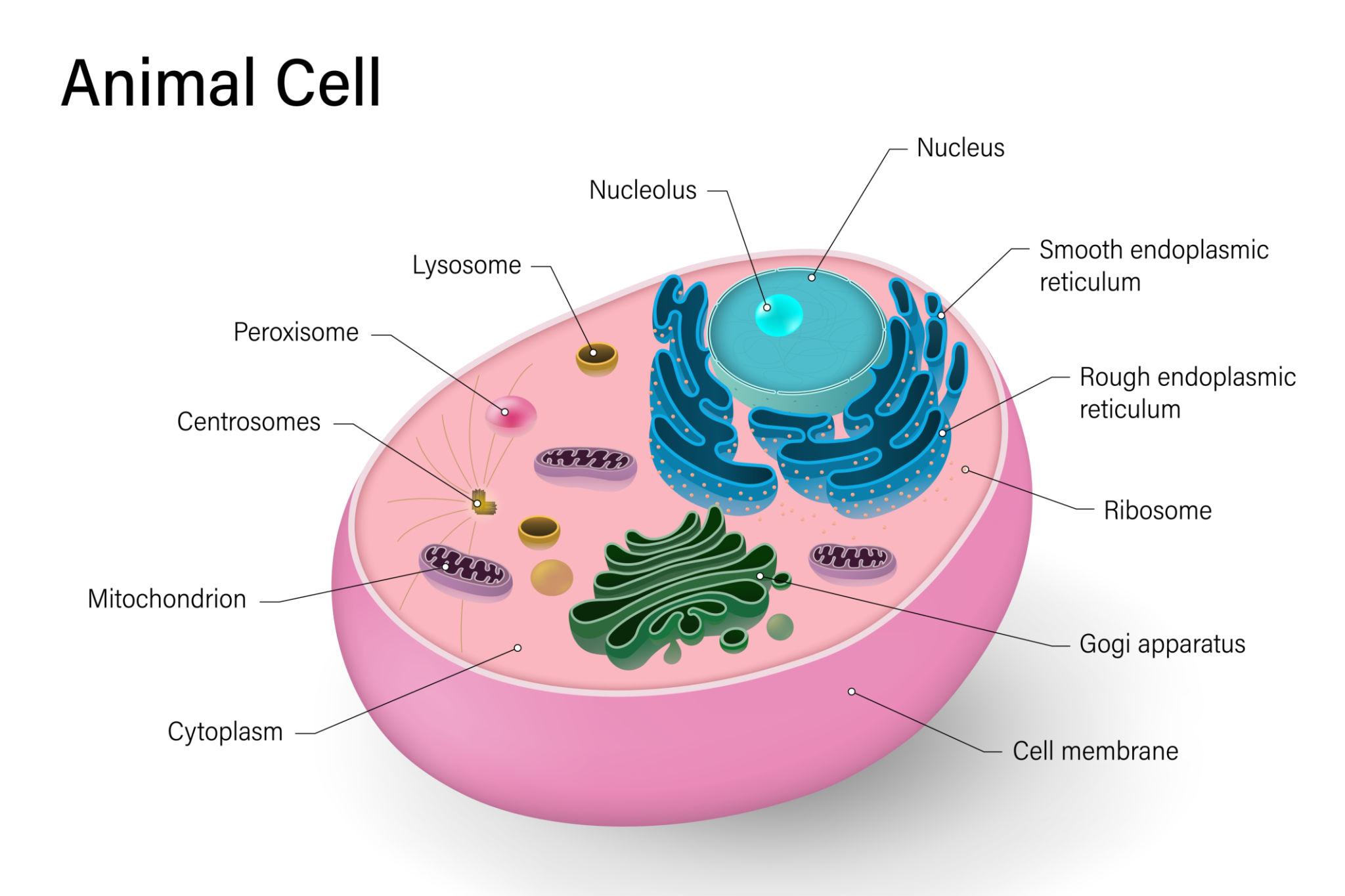
It features a double-membrane structure called the nuclear envelope, punctuated by nuclear pores. Inside, it contains the nucleoplasm matrix, chromatin (DNA wrapped around histone proteins), and the nucleolus, which is the active site for rRNA synthesis.
3.3 Cytoplasmic Organelles
- Endoplasmic Reticulum (ER):
• Rough ER (RER): Studded with ribosomes; primary site for protein synthesis and secretion.
• Smooth ER (SER): Lacks ribosomes; vital for lipid synthesis, detoxification, and glycogen metabolism. - Golgi Apparatus: Consists of 4–8 stacked cisternae. It modifies, packages, and transports proteins, and is responsible for forming lysosomes and the sperm acrosome.
- Lysosomes: Known as the 'suicidal bags' of the cell. They contain hydrolytic enzymes (acid hydrolases) and are deeply involved in phagocytosis and autophagy.
- Mitochondria: The powerhouse of the cell. It has a double membrane with inner folds called cristae. It is the site of the Krebs cycle and oxidative phosphorylation. It is semi-autonomous because it has its own circular DNA and 70S ribosomes.
- Plastids (Plant cells only): Includes Leucoplasts (for storage), Chromoplasts (for color), and Chloroplasts (the site of photosynthesis).
- Ribosomes: Composed of rRNA and proteins. You will find 70S ribosomes in prokaryotes and organelles, while 80S ribosomes float in the eukaryotic cytoplasm.
- Cytoskeleton & Centrioles: Made of microtubules, microfilaments, and intermediate filaments. Centrioles (which have a 9+0 microtubule arrangement) are found in animal cells and form the basal bodies of cilia and flagella.
4. 🔥 Important Points for NEET (Must-Know)
Keep these high-yield facts at your fingertips:
- Mycoplasma is the smallest known cell and it lacks a cell wall.
- Mesosomes in prokaryotic cells help in respiration and DNA replication (analogous to mitochondria).
- The Nucleolus is the site of rRNA synthesis and it noticeably disappears during the M-phase of cell division.
- Peroxisomes contain the enzyme catalase to detoxify harmful hydrogen peroxide (H₂O₂).
- Centrioles are completely absent in higher plants and most fungi.
- Plasmodesmata are the cytoplasmic connections bridging adjacent plant cells.
- The Endomembrane system functions in coordination and includes the ER, Golgi complex, lysosomes, and vacuoles. (Note: Mitochondria and plastids are not part of this system).
- Eukaryotic chromosomes contain histone proteins, whereas prokaryotes possess "naked" DNA without histones.
5. ⚠️ Common Mistakes Students Make
Avoid these frequent traps set by examiners:
- ❌ Confusing 70S and 80S ribosomes: Remember that mitochondria and chloroplasts possess 70S ribosomes, exactly like prokaryotes, not 80S.
- ❌ Assuming all eukaryotes have a cell wall: Animal cells strictly lack a cell wall.
- ❌ Mixing up RER and SER functions: SER makes lipids; RER makes proteins.
- ❌ Assuming all bacteria have flagella: Many bacterial strains are non-motile and lack flagella entirely.
- ❌ Misplacing the glycocalyx: It is present on the outside of the plasma membrane, not the inside.
6. ⚡ Quick Revision Summary (One-Liners)
- Cell theory formulated by: Schleiden, Schwann, and Virchow.
- Largest isolated single cell: Ostrich egg.
- Longest cell in the human body: Nerve cell.
- Fluid mosaic model proposed by: Singer & Nicolson.
- Cristae: The inner folded membrane of mitochondria.
- Thylakoids: The flattened sac-like discs inside a chloroplast.
- Tonoplast: The selectively permeable membrane surrounding the vacuole.
- Middle lamella: Composed mainly of calcium pectate, acting as glue between plant cells.
- Heterochromatin: The densely packed, darkly stained, transcriptionally inactive region of DNA.
7. Frequently Asked Questions (NEET 2026)
🌐 External Authority References for Extra Reading:
Final Thoughts
Bookmark this page for your last-minute revision sessions and share it with your peers preparing for NEET 2026/2027. Consistent revision of these basic structures will secure you easy marks in the exam. Target 360+ in Biology!
All image credits: RankBaaz archives (educational fair use).